Ingredients for the Known Ground reconstruction
Ingredient amounts shown for 4 servings.
Known Ground reconstruction
- 2whole plucked wild ducks
- 2 tbspunsalted butter
- 2/3 cupChambertin or red Burgundy
- 5medium black truffles, peeled
- 1 cupduck demi-glace
- 2 ozfully cooked duck liver, puréed into the sauce
- 1 tspkosher salt
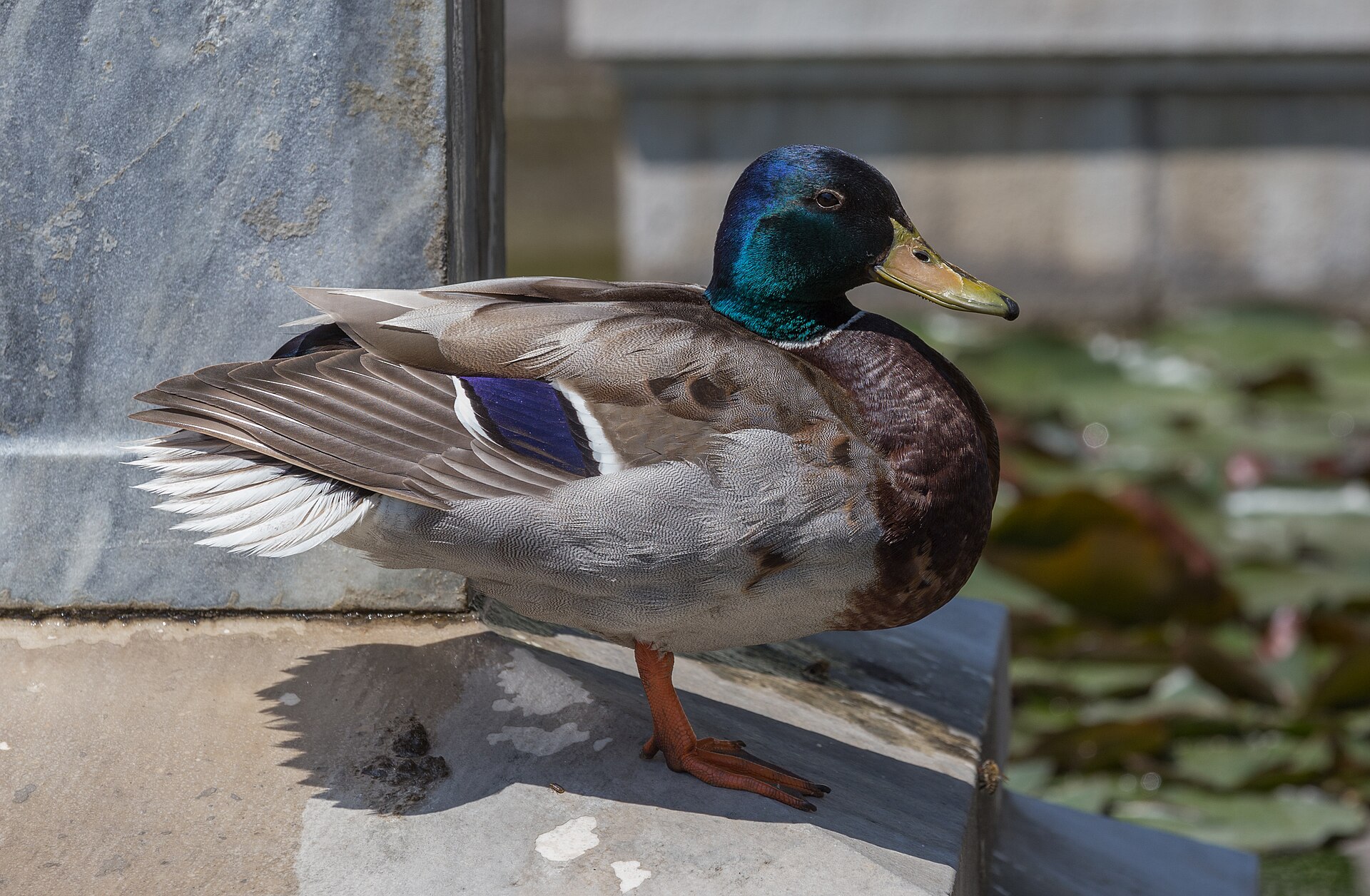
,_Vienna,_Volksgarten-6166.jpg)
Known Ground reconstruction — not personally tested
Escoffier's historical formula specifies Rouen duckling. The practical version below is a Known Ground wild-waterfowl reconstruction; it is not presented as Escoffier's wild-duck formula.
The source specifies underdone domestic Rouen duckling and true Rouennaise sauce. The reconstruction uses wild duck cooked to current guidance and a liver-enriched duck demi-glace that is disclosed as an approximation, while retaining Chambertin and five truffles.
Instructions
1. Brown the seasoned ducks in the butter, then roast them in a covered Dutch oven until every portion reaches 165°F (74°C). Rest, remove each breast lengthwise, and cut into thin aiguillettes.
2. Add Burgundy and the peeled truffles to the roasting liquor and simmer gently until the truffles are tender. Remove and slice them; reduce and degrease the liquor.
3. Whisk the reduced liquor and cooked-liver purée into the demi-glace and strain.
4. Alternate warm aiguillettes with truffle slices, coat lightly with sauce, and serve the remainder separately.
Historical formula
Escoffier poêlés a Rouen duckling only just done. He cooks five peeled truffles in one-sixth pint of Chambertin added to the poêling liquor, then reduces, degreases, strains, and combines it with light Rouennaise sauce. The aiguillettes and truffle slices are alternated on a warm dish.
Source note
Source-preserving summary from Auguste Escoffier, *A Guide to Modern Cookery* (1907), a public-domain English edition. Source location: No. 1757, p. 544; 1903 p. 877.
Historical source vs. current safety guidance
Escoffier directs that this bird remain underdone. For the roast and poêlé preparations, that corresponds to the medium-rare texture preferred editorially at Known Ground; it is not a food-safety recommendation. The Known Ground reconstruction follows current USDA guidance to cook duck and goose to 165°F (74°C), checked in the thickest breast and innermost thigh and wing without touching bone.
Updated since publication
Last revised 9/11/2026. Evidence and limitations should be interpreted as described in the article.
Discussion
Comments are moderated before appearing here. Keep it useful, specific, and civil.
No approved comments yet. Be the first to add something useful.