Ingredients for the Known Ground reconstruction
Ingredient amounts shown for 4 servings.
Known Ground reconstruction
- 2whole plucked wild ducks, patted dry
- 2 tbspunsalted butter
- 2shallots, minced
- 3/4 cupdry red wine
- 1 1/2 cupsunsalted game or chicken stock
- 1/2 cupdemi-glace
- 6 ozmushrooms, quartered
- 1 ozfresh black truffle, thinly sliced; optional
- 1 tbspcold unsalted butter
- 1 tspkosher salt
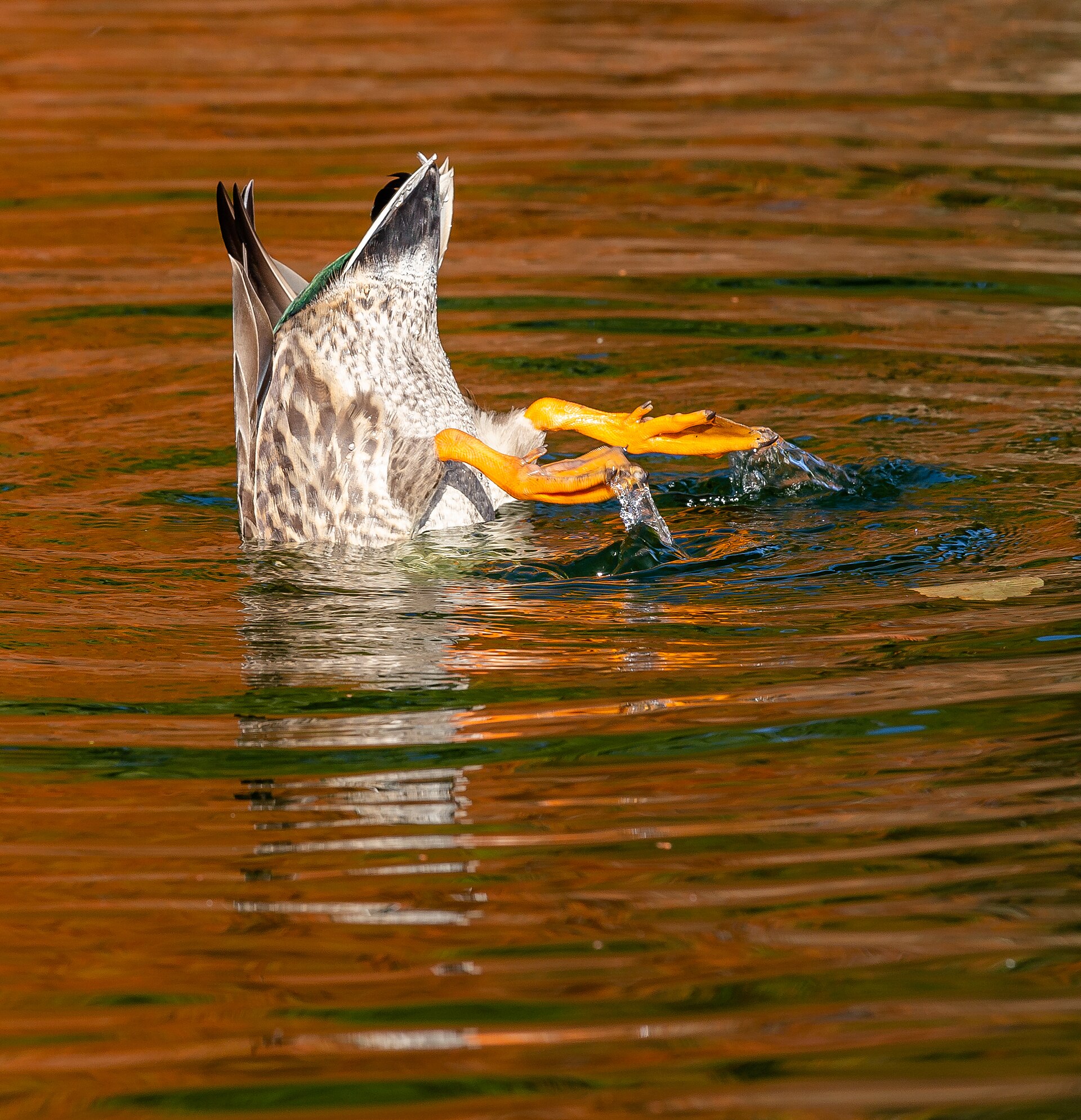
_diving_for_food,_New_Zealand.jpg)
Known Ground reconstruction — not personally tested
Escoffier's historical formula specifies wild duck, teal, pintail, or wigeon directly.
The explicit Pheasant Salmis cross-reference is used rather than the unsafe pressed-carcass Rouennaise alternative. Prepared demi-glace replaces game Espagnole, but the carcass still builds the sauce.
Instructions
1. Heat the oven to 450°F. Season and roast the ducks until the breast, innermost thigh, and wing reach 165°F (74°C). Rest, joint into serving pieces, and reserve every carcass piece and trimming.
2. Brown the carcasses and trimmings in butter with the shallots. Add red wine, stock, and demi-glace; simmer for 25 minutes, strain, and reduce until lightly coating.
3. Sauté the mushrooms. Warm the duck pieces only briefly in the sauce, then whisk in the cold butter.
4. Arrange the duck with mushrooms and optional truffle and spoon over the carcass-based salmis sauce.
Historical formula
Escoffier says wild duck, teal, pintail, and wigeon may make excellent salmis after either Pheasant Salmis or Salmis à la Rouennaise. The Pheasant Salmis method roasts and joints the bird, then prepares the sauce from carcass and trimmings with reduced red wine, shallots, and game sauce, finishing with butter, mushroom, and truffle.
Source note
Source-preserving summary from Auguste Escoffier, *A Guide to Modern Cookery* (1907), a public-domain English edition. Source location: Nos. 1936–1938, p. 615, cross-referencing no. 1847.
Historical source vs. current safety guidance
Escoffier directs that this bird remain underdone. For the roast and poêlé preparations, that corresponds to the medium-rare texture preferred editorially at Known Ground; it is not a food-safety recommendation. The Known Ground reconstruction follows current USDA guidance to cook duck and goose to 165°F (74°C), checked in the thickest breast and innermost thigh and wing without touching bone.
Updated since publication
Last revised 9/8/2026. Evidence and limitations should be interpreted as described in the article.
Discussion
Comments are moderated before appearing here. Keep it useful, specific, and civil.
No approved comments yet. Be the first to add something useful.