Ingredients for the Known Ground reconstruction
Ingredient amounts shown for 2 servings.
Known Ground reconstruction
- 1whole plucked wild duck, 2 to 3 pounds
- 2 tbspunsalted butter
- 2/3 cupruby Port
- 1 1/2 cupsunsalted duck or chicken stock
- 1 tsparrowroot, mixed with 1 tablespoon cold water
- 1 tspkosher salt
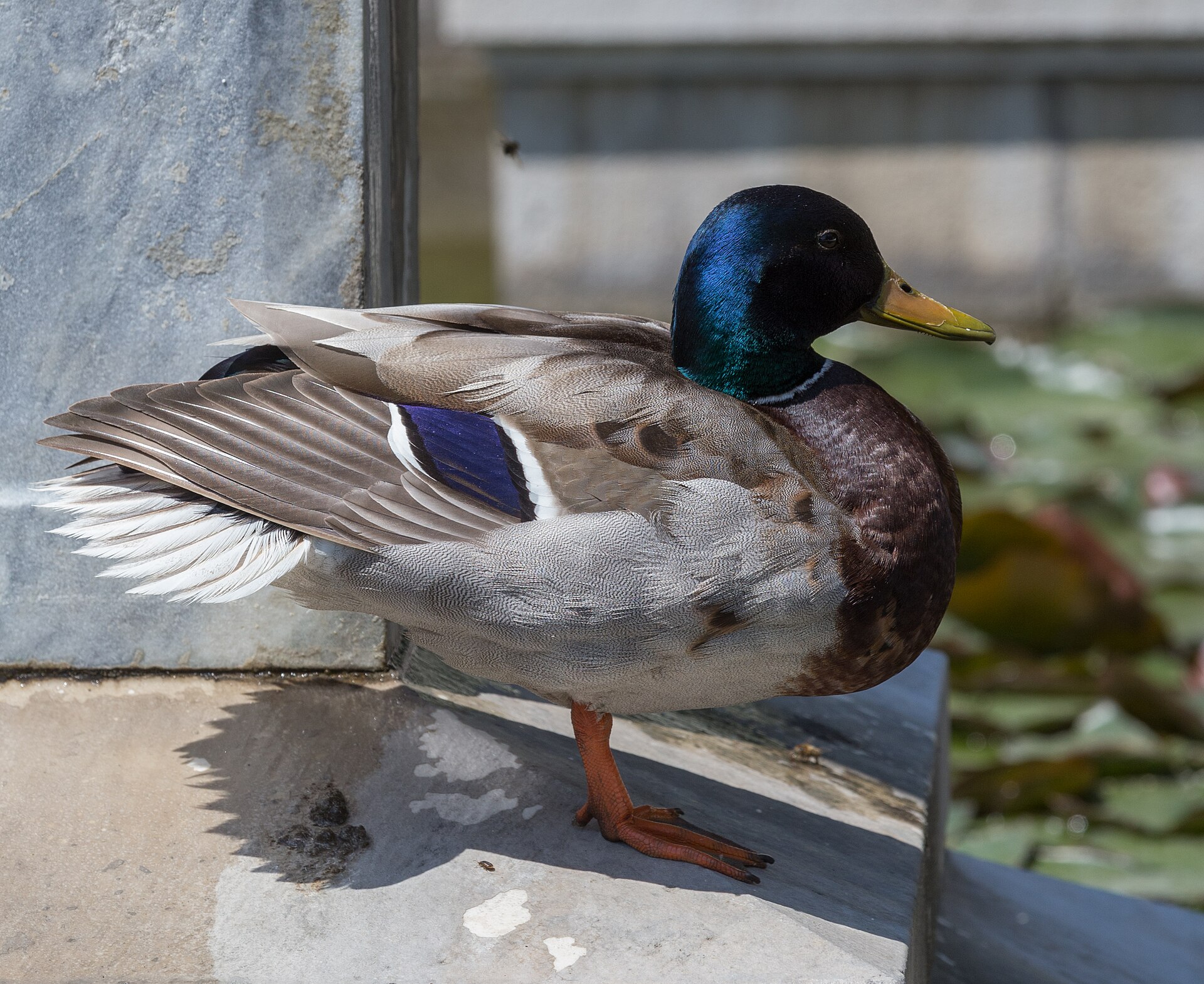
,_Vienna,_Volksgarten-6162.jpg)
Known Ground reconstruction — not personally tested
Escoffier's historical formula specifies Rouen duckling. The practical version below is a Known Ground wild-waterfowl reconstruction; it is not presented as Escoffier's wild-duck formula.
Unlike the direct 1903 wild-duck formula, this source specifies domestic Rouen duckling roasted in a casserole. The reconstruction preserves that covered-roast liquor and larger sauce proportion.
Instructions
1. Brown the seasoned duck in butter in a covered casserole, then roast at 400°F until the breast, innermost thigh, and wing reach 165°F (74°C). Rest the bird.
2. Deglaze with Port and reduce by half. Add stock and any defatted roasting juices and reduce to about 1 cup.
3. Whisk in the arrowroot slurry and heat until lightly thickened. Carve the duck and serve the sauce separately.
Historical formula
Escoffier roasts the Rouen duckling in a casserole only just done, deglazes with one-fifth pint of Port, reduces by half, and adds the reduction to one-half pint of duckling gravy thickened with arrowroot.
Source note
Source-preserving summary from Auguste Escoffier, *A Guide to Modern Cookery* (1907), a public-domain English edition. Source location: No. 1760, p. 544; 1903 p. 878.
Historical source vs. current safety guidance
Escoffier directs that this bird remain underdone. For the roast and poêlé preparations, that corresponds to the medium-rare texture preferred editorially at Known Ground; it is not a food-safety recommendation. The Known Ground reconstruction follows current USDA guidance to cook duck and goose to 165°F (74°C), checked in the thickest breast and innermost thigh and wing without touching bone.
Updated since publication
Last revised 9/8/2026. Evidence and limitations should be interpreted as described in the article.
Discussion
Comments are moderated before appearing here. Keep it useful, specific, and civil.
No approved comments yet. Be the first to add something useful.