Ingredients for the Known Ground reconstruction
Ingredient amounts shown for 6 servings.
Known Ground reconstruction
- 1whole pheasant, front-emptied and breast bone removed without tearing skin
- 12 ozduck foie gras, cut in large pieces
- 2 bottlesruby Port, enough to cover; divided
- 12small fresh black truffles, for finishing
- 3 tbspunsalted butter
- 1 cupdemi-glace
- kosher salt and black pepper, to taste
Stuffing
- 8 ozfresh black truffle, quartered
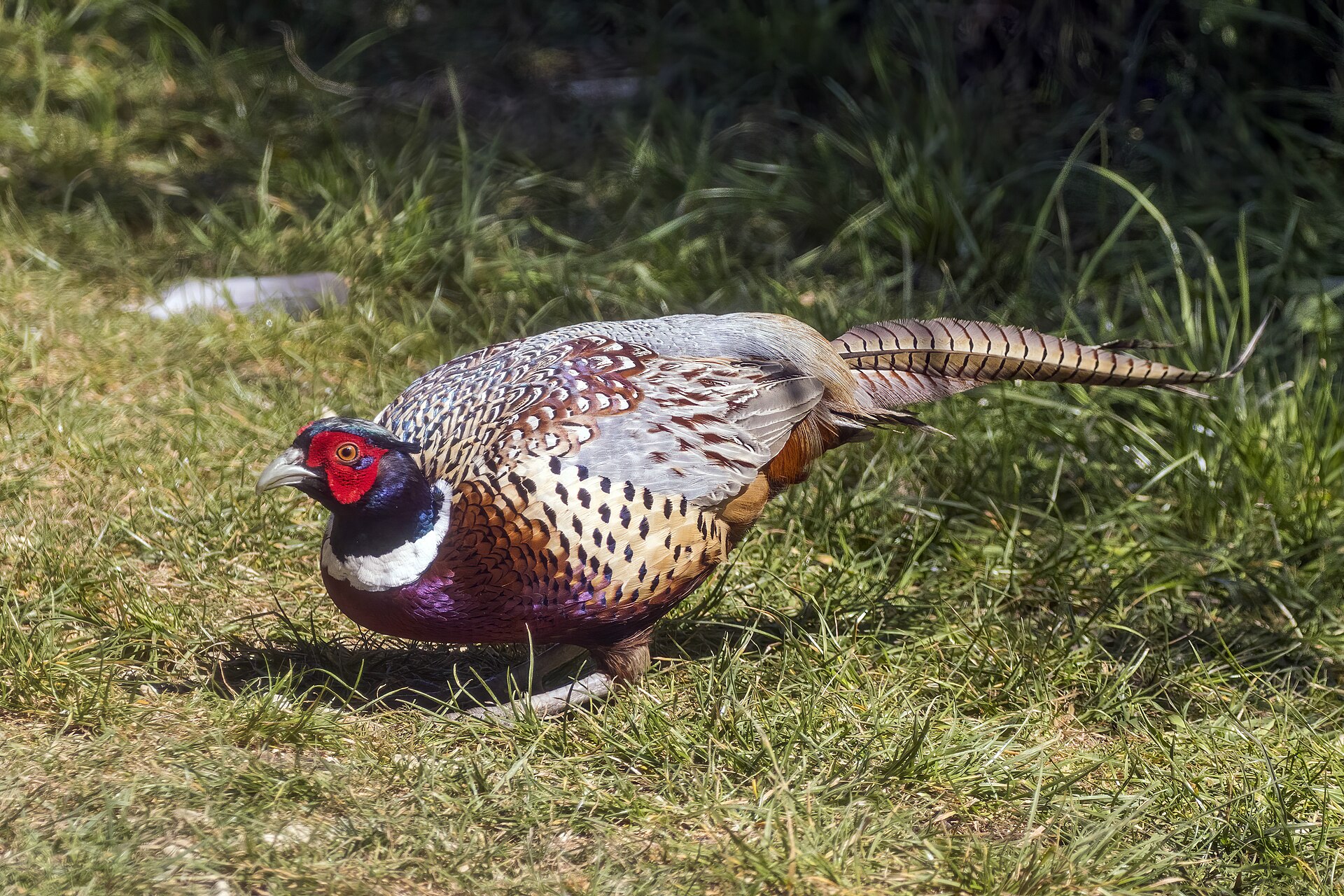
_cock_2.jpg)
Known Ground reconstruction
The source's preferred Souvaroff finish is used because it keeps the stuffed bird and truffles moist. The bird marinates covered in a refrigerator, never at cellar temperature. This version has not been personally tested by Known Ground. Cook the bird and any poultry forcemeat to 165°F (74°C) in its thickest portion.
Instructions
1. Poach the quartered stuffing truffles briefly in 1 cup Port; cool completely. Season the foie gras, combine it with the cooled truffles, stuff the boned breast cavity, and truss securely.
2. Place the bird in a nonreactive container, cover completely with Port, refrigerate at or below 40°F (4°C) for three days, and turn once daily.
3. Drain and pat dry, reserving the marinade. Brown the bird in butter in a casserole. Separately bring the marinade to a full boil and reduce it until syrupy.
4. Put the dozen finishing truffles in a snug terrine, set the pheasant on them, add the reduced Port and demi-glace, seal tightly, and bake at 350°F until the stuffing centre reaches 165°F (74°C). Rest briefly and serve from the terrine.
Historical formula
Method
This recipe comes from the famous Alcantara convent. History tells us that at the beginning of the Portuguese campaign in 1807 the convent’s library was pillaged by Junot’s soldiers, and its precious manuscripts were used in the making of cartridges.
Now it happened that an officer of the commissariat who was witnessing the event found, among a collection of recipes selected by the monks, the particular one now under our notice, which was applied only to partridges.
It struck him as interesting, and after trying it when he returned to France in the following year, he surrendered it to the Duchess of Abrantès, who noted it in her memoirs.
It represents, perhaps, the only good thing the French derived from that unfortunate campaign, and it would tend to prove that foie gras and truffles, which had been known for so long in Languedoc and Gascony, were also known in Estremadura, where, even at the present day, tolerably good truffles are to be found.
The procedure is as follows:—
Empty the pheasant from the front; bone its breast, and stuff it with fine ducks’ foies gras, mixed with quartered truffles, cooked in port wine.
_Marinade_ the pheasant for three days in port wine, taking care that it be well covered therewith. This done, cook it “_en casserole_” (the original recipe says on the spit, but the saucepan is more suitable). Reduce the port wine of the _marinade_; add to it a dozen medium-sized truffles; set the pheasant on these truffles, and heat for a further ten minutes.
N.B.—This last part of the recipe may be advantageously replaced by the “à la Souvaroff” treatment—that is to say, having placed the pheasant and the truffles in a _terrine_, sprinkle them with the reduced port combined with slightly buttered game glaze; then hermetically seal down the lid of the _terrine_, and complete the cooking in the oven.
Source
A Guide to Modern Cookery — Recipe no. 1829.
Updated since publication
Last revised 9/8/2026. Evidence and limitations should be interpreted as described in the article.
Discussion
Comments are moderated before appearing here. Keep it useful, specific, and civil.
No approved comments yet. Be the first to add something useful.