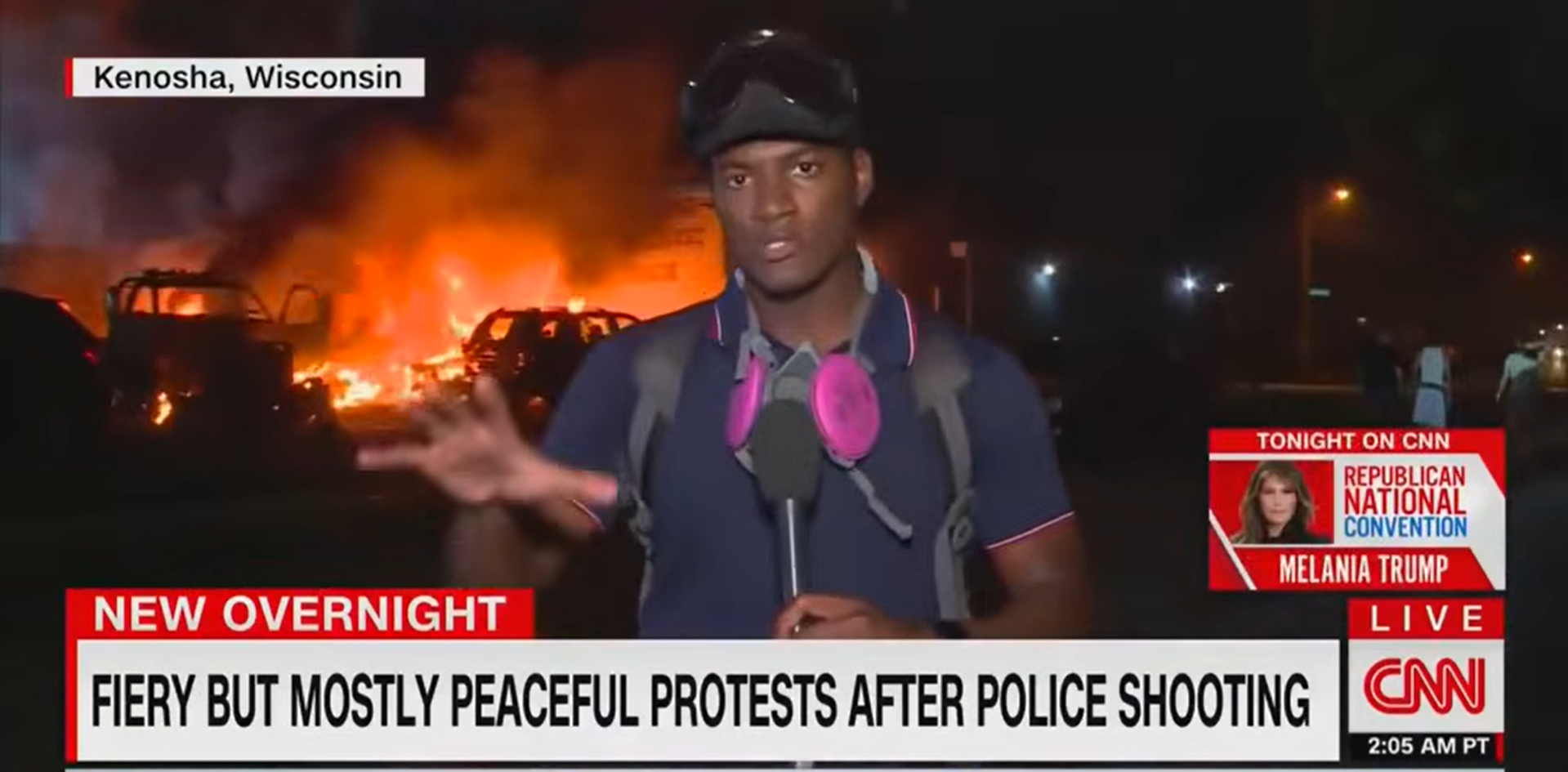
Do you ever wonder why the narrative seems to directly contradict what you are seeing? All of the evidence presented to you seems to fly in the face of reality? How can a protest be “fiery but mostly peaceful". How can words be violence? How do anti-fascists silence the opposition with violence of their own while simultaneously claiming the moral high ground? The truth is that there is an unseen war occurring and the battlefield is your mind.
In this war, the objective is no longer land or the destruction of enemy forces, the ground lost or won is perception. When a population distrusts its own senses, when institutions selectively enforce the law, or when the state aids citizens preferentially based on the preferred narrative, you have lost ground.
Norm Macdonald once observed the rise of the 24-hour news cycle with clarity.
“Seems like there’s too much news now that they have 24-hour news. When I was a boy, the news was half an hour. That was the whole news. Turns out they had it about right. That’s about all the news there is.”
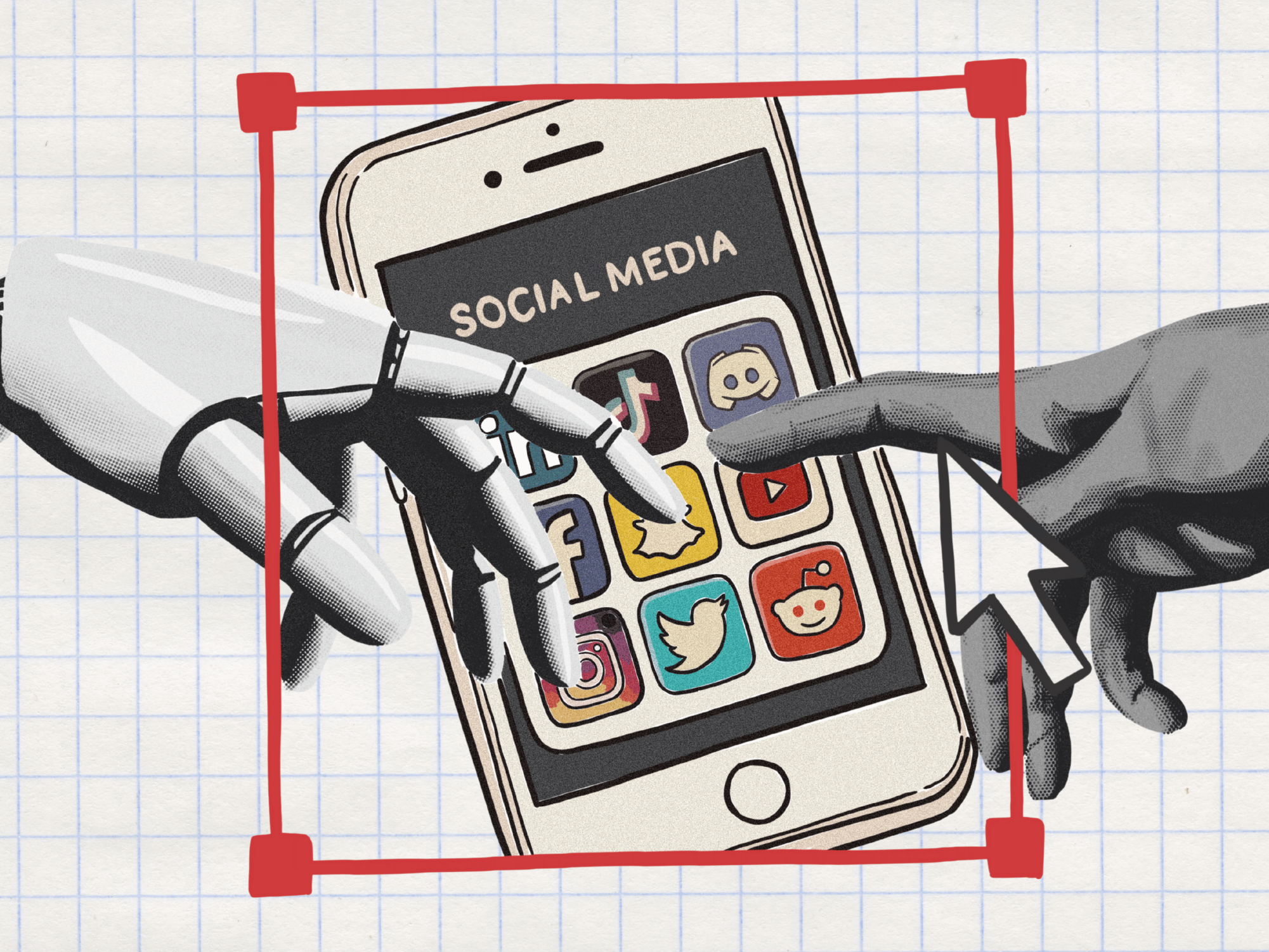
That was bad enough, now we’ve got X, Facebook, Instagram, YouTube, all pushing narratives. Pushing algorithms that selectively shape your perceptions. In 2012 Facebook was even caught intentionally altering users' feeds to affect their mood, limiting positive news for some people to see if there was a measurable effect. Since then there has been a revolving door between law enforcement/ intelligence officials, and the major tech companies.
Information is no longer scarce. It is everywhere. The real problem is no longer access, it is discernment. What information do we accept, and what must be winnowed out? How do we separate the wheat from the chaff?
How institutional consensus is elevated over direct observation.
Direct observation and eyewitness accounts are often dismissed as “anecdotal” even when witnessed by large groups of people. I am not saying that anecdotes prove a claim, but they cannot be dismissed as a matter of course. They are a type of evidence. How often have you heard the following?
• That didn’t happen.
• It happened, but it’s rare.
• It happened but you don’t understand it.
• We don’t ask those questions
Consensus then replaces the argument. People are told things like “experts agree” or “studies have shown”. Never do they mention the rigor of these studies, or the qualifications of these experts. Or they will build the experts as paper-mache giants with little real-world experience or expertise. It doesn’t matter, reality has to be understood through an approved intermediary, the institutionally declared expert.
Speech is changed to preserve the narrative
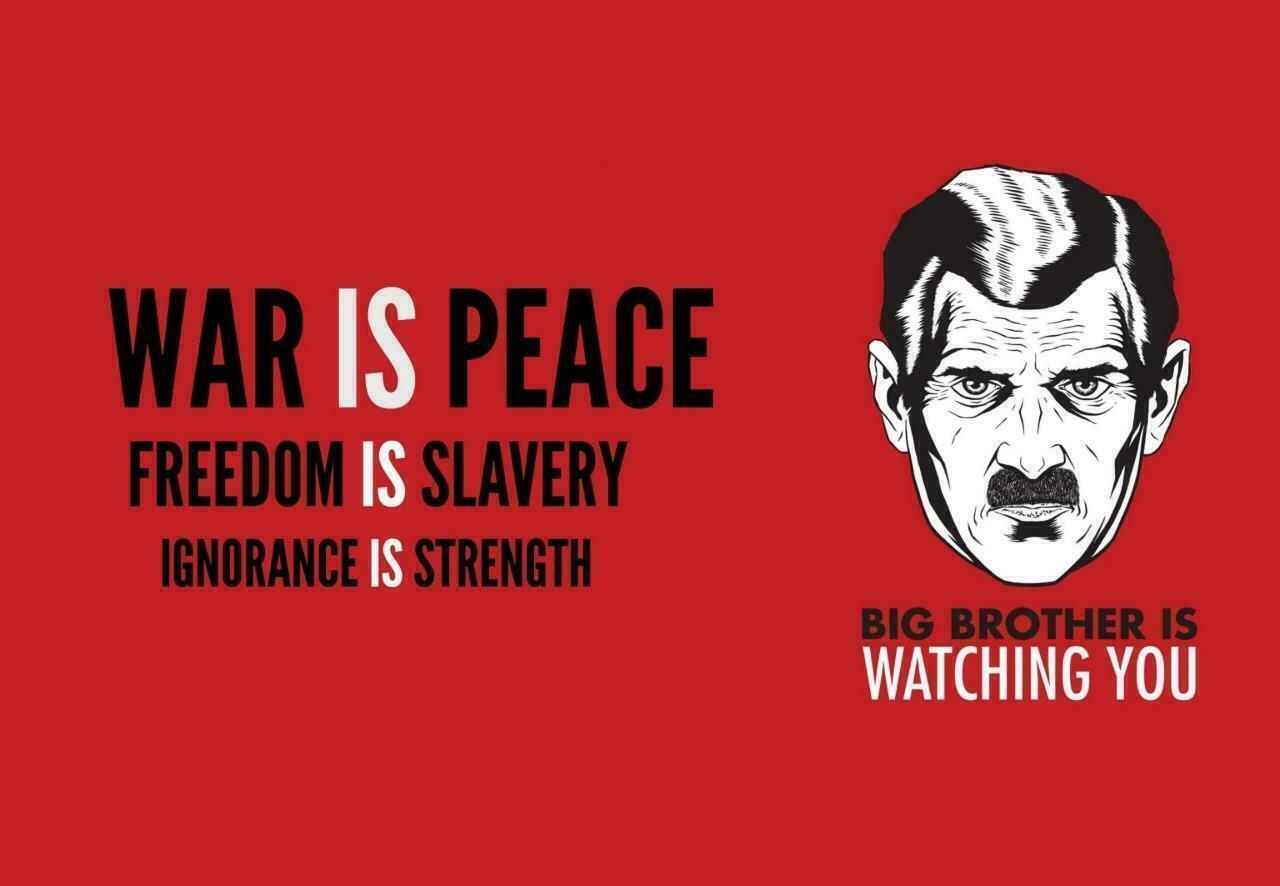
I hate to use 1984 as an example, because at this point it is cliché, but some things are just Orwellian and there is no other way to describe it, including recent changes to speech. Try to discuss death with any YouTube influencer and you will be told that people “unalived” themselves. Well that’s double plus ungood isn’t it?
This is how a fiery riot becomes a mostly peaceful protest.
This is how speech becomes violence.
This is how grown men and women cannot define a woman.
What they do not tell you is that this consensus is manufactured. Institutions validate each other, and differing views are dismissed out of hand. Take for example, Peter Boghossian and James Lindsay, they rewrote portions of Chapter 12 from Mein Kampf into intersectional feminist language and published the paper under the title “Our Struggle is My Struggle: Solidarity Feminism as an Intersectional Reply to Neoliberal and Choice Feminism.” It was accepted by the peer reviewed journal Affilia. They wrote papers for “fat bodybuilding” arguing that a fat body is a built body, a paper suggesting men be trained with shock collars to reduce problematic masculinity, and over fifteen additional hoax articles. This satire was indistinguishable from reality and praised because it fit the preferred narrative.
Problematizing the opposition
Once consensus is established, disagreement becomes a problem. Dissent is no longer met with counter-evidence because remember, speech is violence. Now we diagnose it. Labels are applied to the person who notices the discrepancy and ad hominem attacks now suffice as arguments.
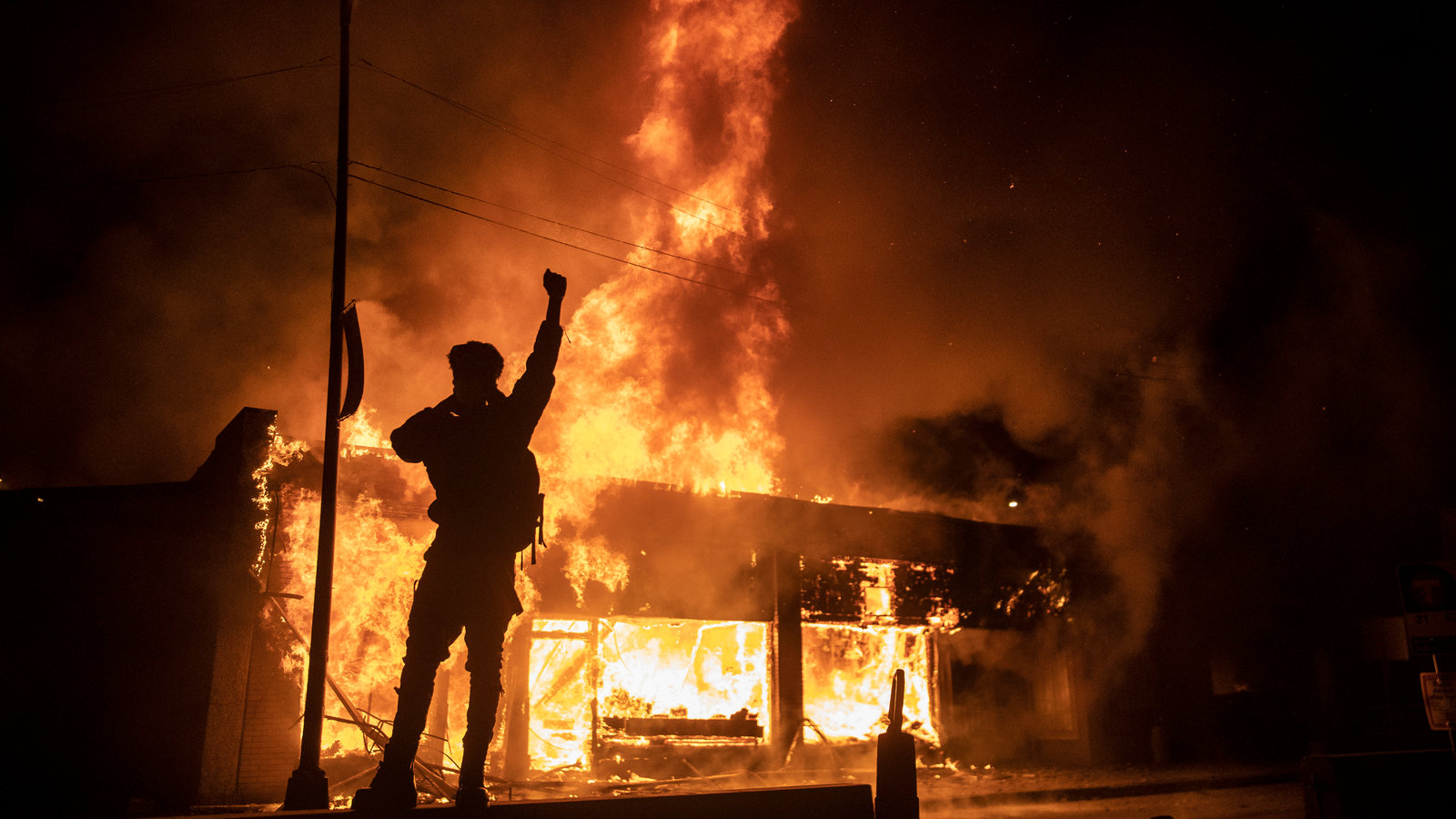
There is a similar narrative double standard when we discuss enforcement. When the preferred side uses force, disruption, or intimidation it is minimized or celebrated. When the other side speaks or resists, it is treated as violence and extremism. Moral categories invert to protect the narrative.
Looking Ahead
Carl Sagan wrote:
“One of the saddest lessons of history is this: If we’ve been bamboozled long enough, we tend to reject any evidence of the bamboozle. We’re no longer interested in finding out the truth. The bamboozle has captured us. It’s simply too painful to acknowledge, even to ourselves, that we’ve been taken. Once you give a charlatan power over you, you almost never get it back.”
This is the first essay in a series on the contest for perception. Later pieces will examine other methods used to shape what people notice and what they are allowed to say, how to better separate signal from noise, and what preparedness looks like when institutional trust is uneven. If you’ve been bamboozled, the goal is simple: help you take your own mind back.
Updated since publication
Last revised 9/11/2026. Evidence and limitations should be interpreted as described in the article.
Discussion
Comments are moderated before appearing here. Keep it useful, specific, and civil.
No approved comments yet. Be the first to add something useful.